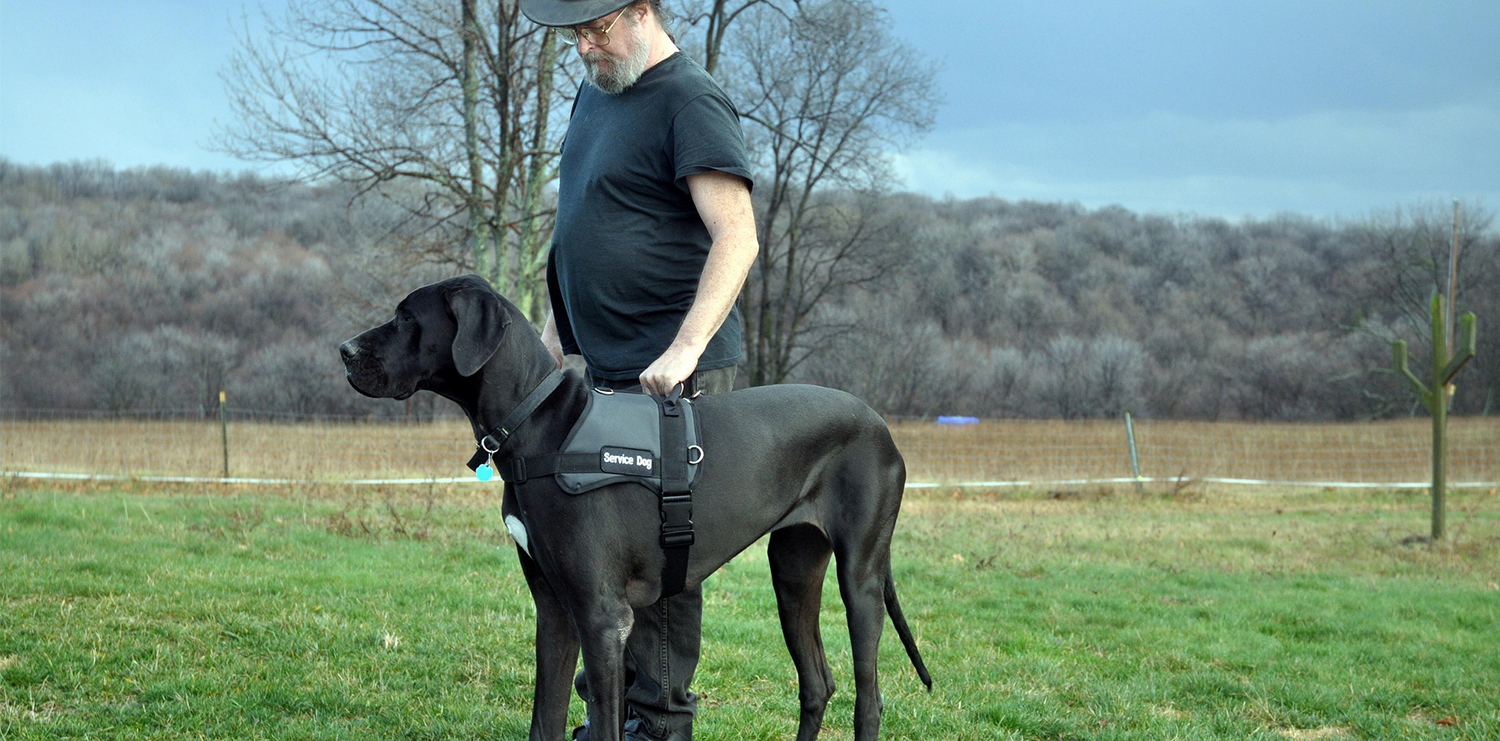
Assistance with Daily Tasks: Service dogs can be trained to assist with various daily tasks, such as opening doors, turning on lights, or retrieving specific items.
Interrupting Harmful Behaviors: For individuals with certain conditions, service dogs can be trained to interrupt harmful behaviors, such as self-harm or repetitive actions.
Intensive service dog courses to become other service dogs (点击这里跳hearingsd@adasd.org)

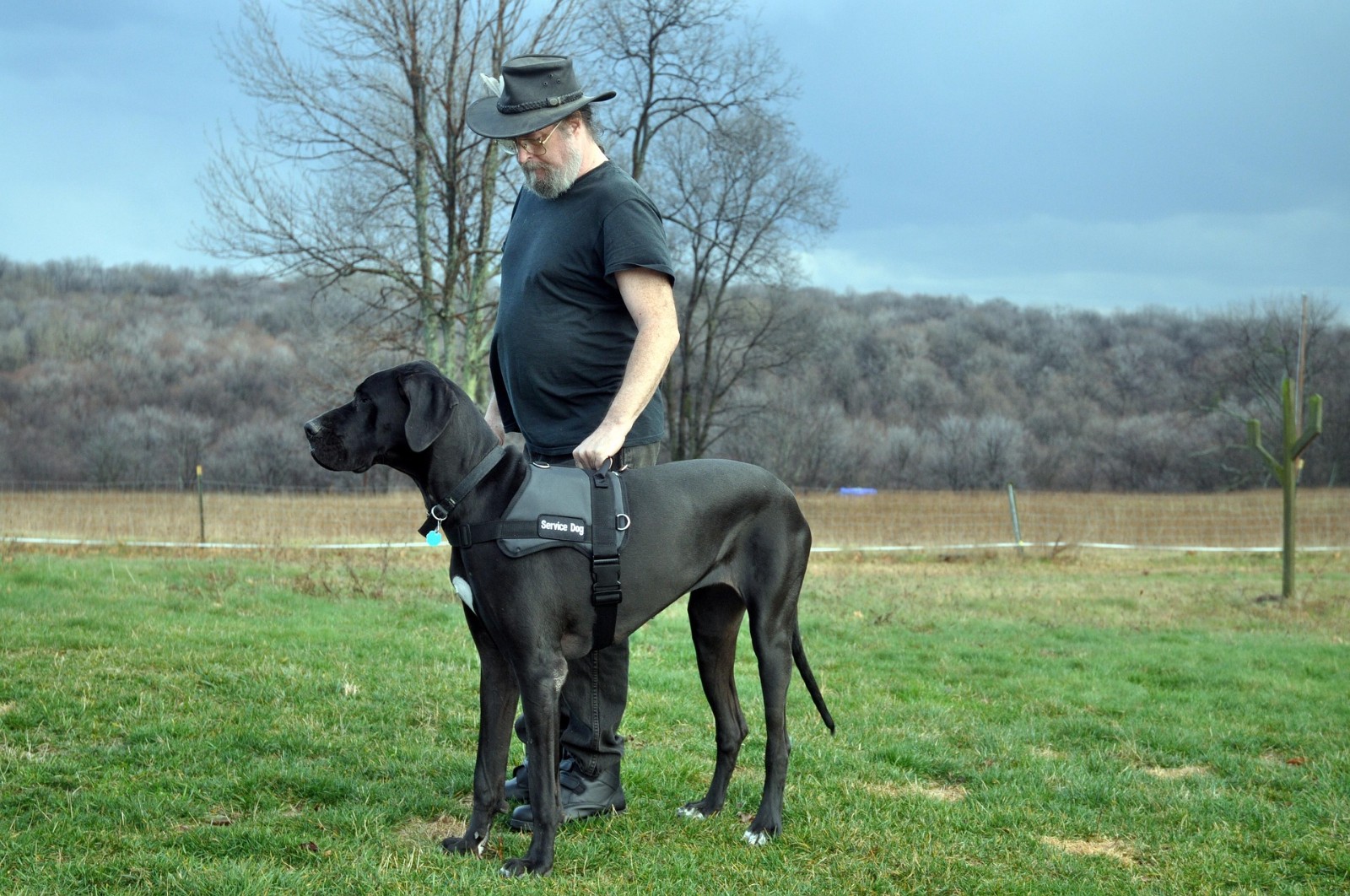
Other service dogs

Guiding the Blind or Visually Impaired: Guide service dogs can assist individuals who are blind or visually impaired by guiding them around obstacles and navigating through various environments.
Alerting the Deaf or Hard of Hearing: Hearing Alert service dogs can be trained to alert individuals who are deaf or hard of hearing to important sounds, such as doorbells, alarms, or someone calling their name.
Mobility Assistance: Mobility service dogs can be trained to help individuals with mobility challenges by pulling a wheelchair, providing balance support, or retrieving items.
Seizure Response: Seizure Alert service dogs are trained to recognize the signs of an impending seizure and can take actions such as alerting the person, finding help, or providing comfort during and after a seizure.
Medical Assist: Medical Assist service dogs can be trained to detect changes in blood sugar levels, scent changes related to certain medical conditions, or impending medical events. They can then alert their handlers or others.
Medication Reminders: Dogs can be trained to remind their handlers to take medication at specified times, which is particularly helpful for individuals with conditions that require regular medication.